+86 134 5177 3742 info@yiyimeshbelt.com Mon - Fri 08:00 - 17:00 CST
Manufacturing Since 1998 ISO 9001 Certified Third-Party Factory Audit Welcome
⚖ BALANCED WEAVE BELT — HEAT TREATMENT & BAKING

Balanced Weave Belt
Zero Drift. High Temperature.

Alternating left-hand and right-hand spirals linked by straight cross rods. Equal and opposite lateral tension forces — eliminating tracking drift. SUS304, 310SS, 314 for continuous service up to 1,100°C.

1,100°C
Max Temperature
310SS
High-Temp Grade
100%
Final inspected
Review
Engineering Support
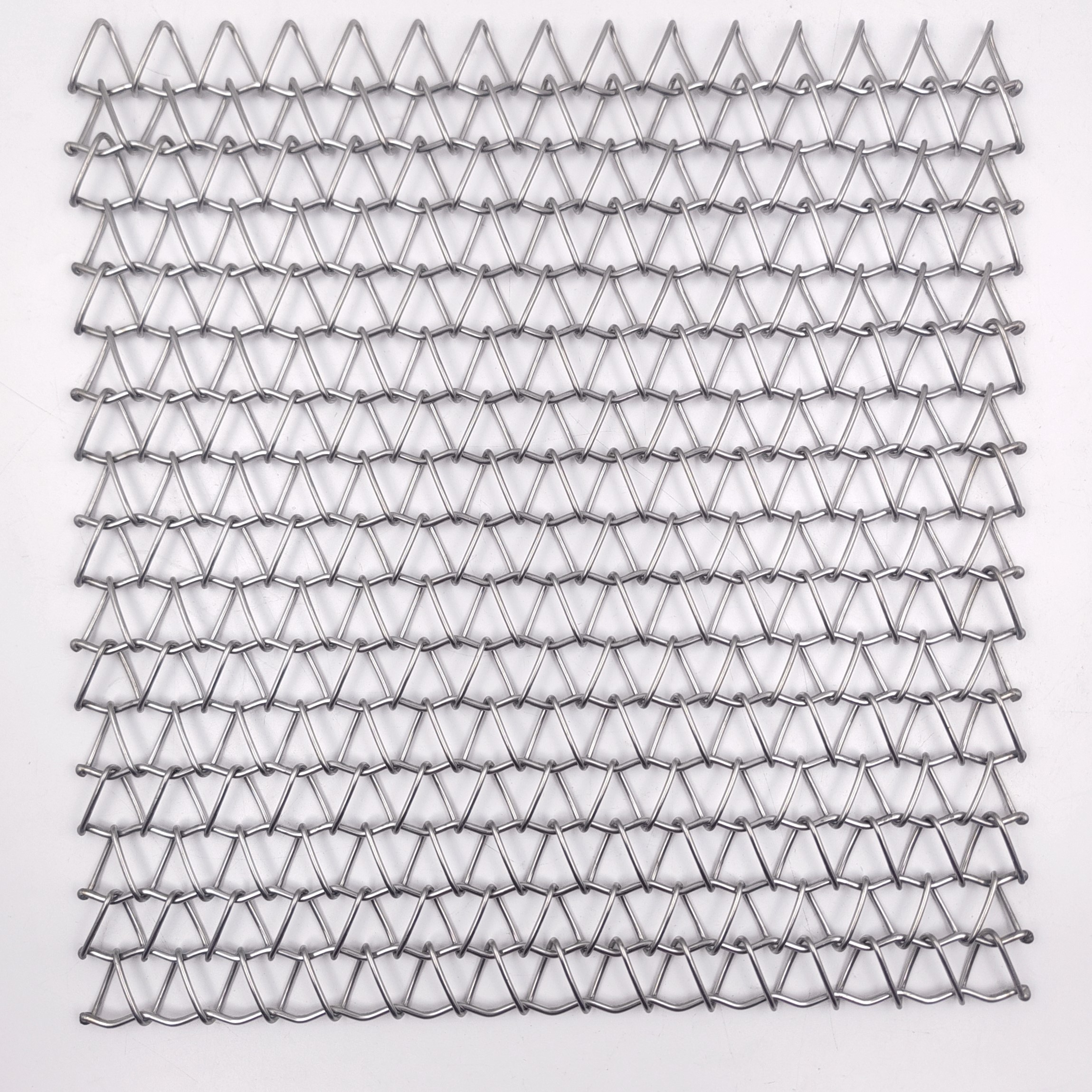
Balanced weave conveyor belt alternating spiral structure
Balanced Weave BeltAlternating left and right spiral structure for stable tracking.
Alternating L/R Spiral - Self-Balancing Structure
310SS / 314 up to 1,100°C
Controlled Production - 5 Stations
Final inspected - Every Belt
Sample Review · Engineering Response
Full Belt OverviewShort product video showing the balanced weave structure.
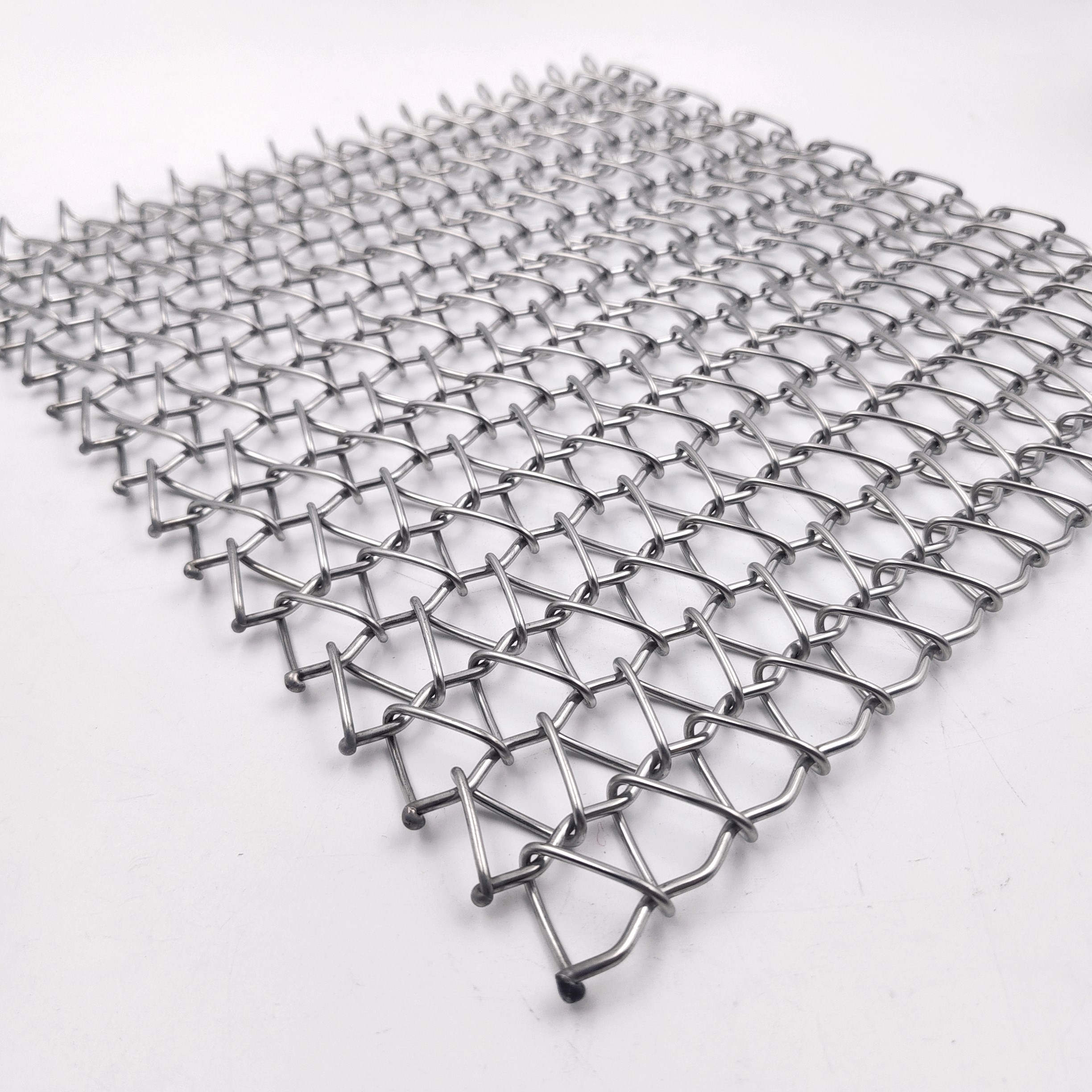
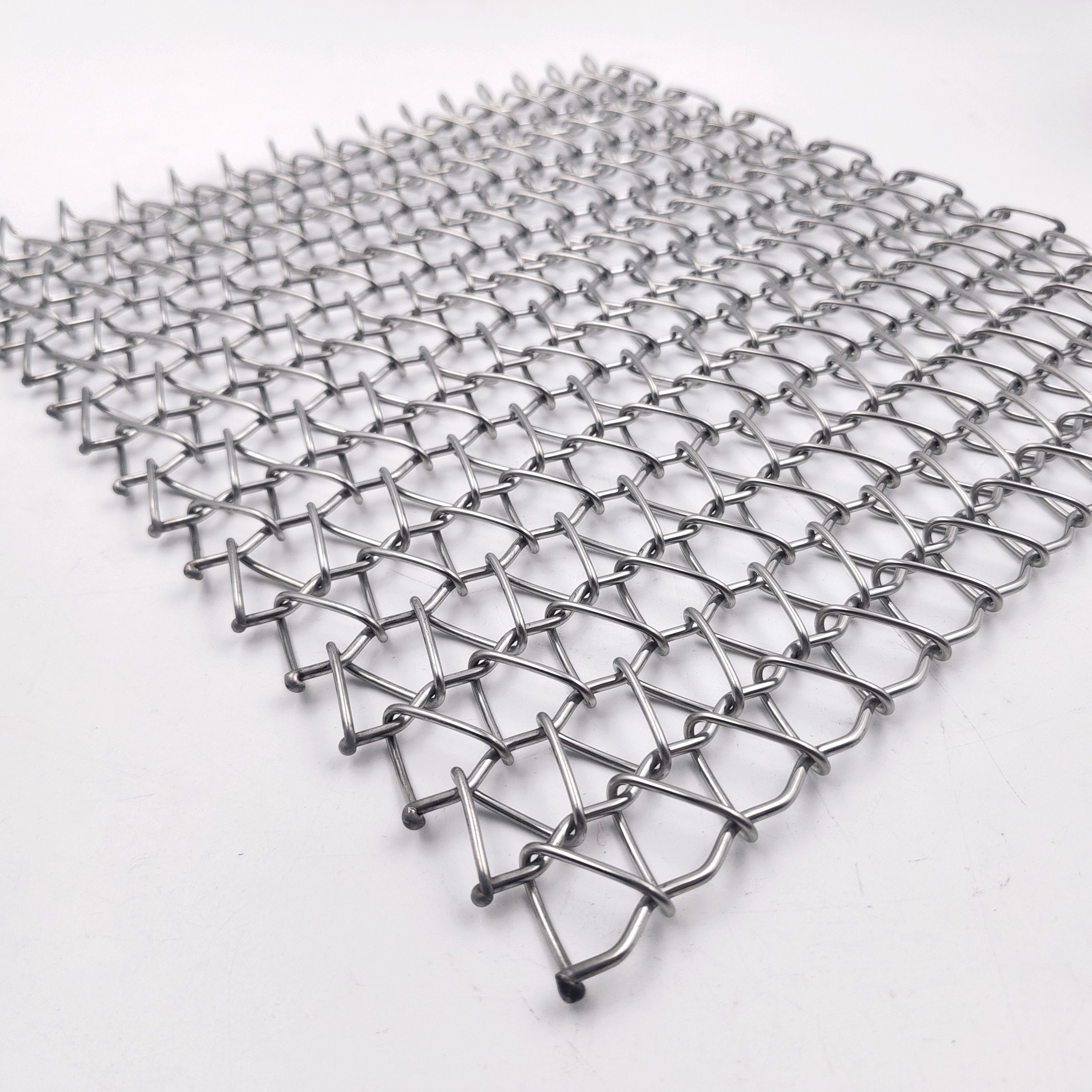
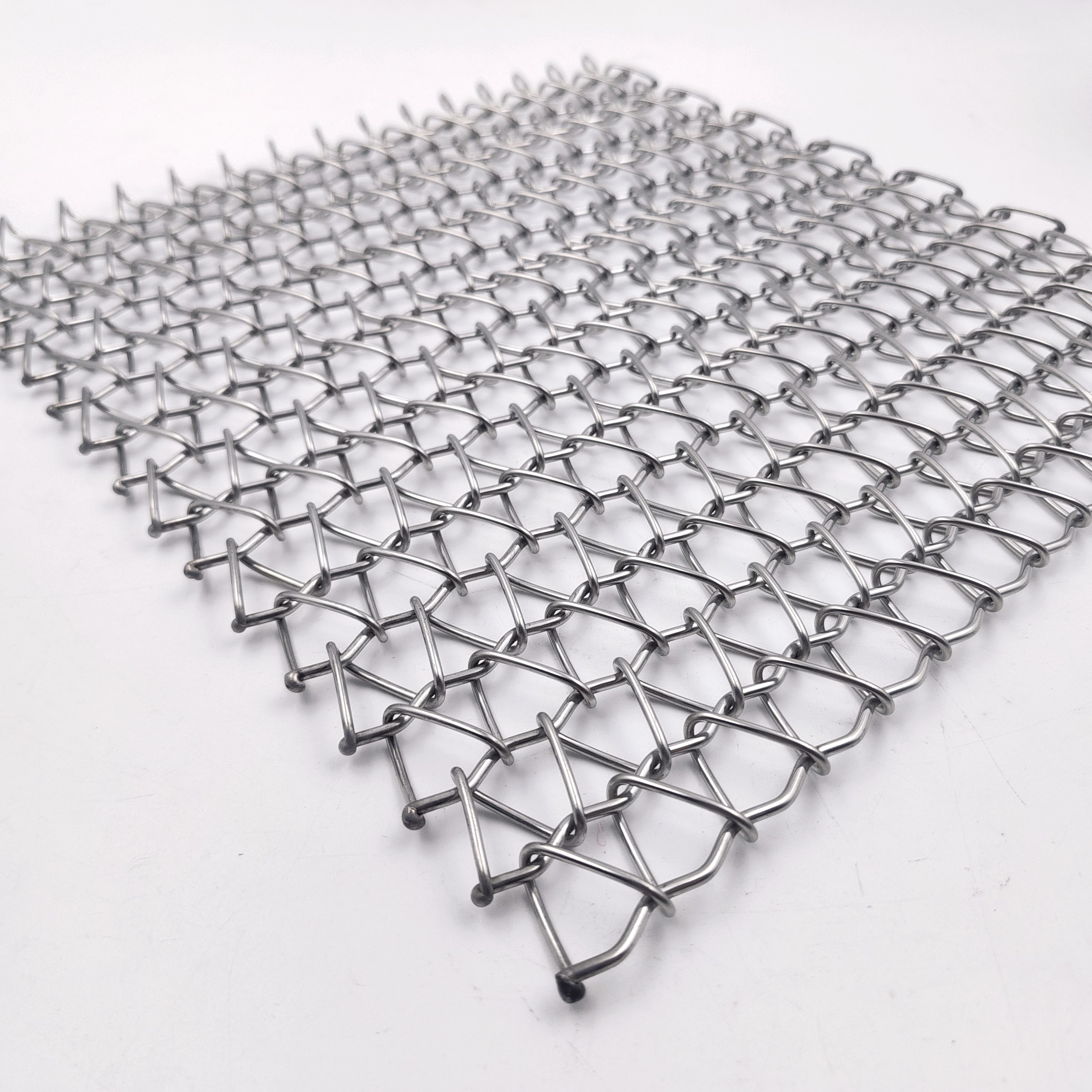
Balanced weave belt spiral close-up
Spiral Close-UpL/R alternating detail and cross rod connection.
Balanced weave belt product overview
Cross Rod ConnectionEdge and rod detail visible.
Balanced weave belt edge structure and wire connection
Matched DriveSprocket engagement sample for pitch confirmation.
Running TestBelt and sprocket engagement before release.
Technical Specifications

Full Parameter Table

All dimensions confirmed to drawing before production. Engineering review supports each custom specification.

Balanced Weave Belt — Standard Parameters
Wire Diameter1.0mm — 4.0mm (confirmed to drawing)
Spiral Pitch5mm — 30mm (application dependent)
Rod Pitch10mm — 50mm
Belt Width200mm — 3,500mm (custom widths available)
Temperature RangeUp to 1,100°C (grade dependent)
Standard MaterialsSUS304 / 310SS / 314 Stainless Steel
Specialty Materials316L (food-processing corrosive) / Inconel (on request)
Edge TreatmentBare / Welded Rod / Folded / Solid Bar / Flanged
Surface FinishNatural / Electro-polished / Shot-blasted
Drive SystemSprocket-driven / Positive drive edge rod
Final Inspection100% — every belt before shipment
CertificationISO 9001 · Material Test Report included
Sample Lead Time7–14 working days when sample review is needed
Production Lead Time15–25 working days (drawing confirmed)
Engineering Advantages

Why Balanced Weave — The Engineering Logic

Six structural advantages that make balanced weave the specified choice for heat treatment furnaces and high-temperature baking lines.

Balanced Lateral Tension
Equal left/right spiral geometry creates self-cancelling lateral forces. Belt tracks straight without drift — reduces guide rail wear and eliminates re-tensioning downtime in continuous furnace operation.
🌡
High-Temperature Structural Integrity
310SS and 314 grades maintain tensile strength through thermal cycling up to 1,100°C. Consistent spiral pitch retention under prolonged high-temperature operation — no pitch distortion over service life.
📐
Configurable Open Area
Spiral pitch, rod pitch, and wire diameter all independently specified. Fine mesh for small parts retention. Coarse mesh for convective heat circulation where airflow through the belt is critical.
🤖
Weld-Point Consistency
controlled production workflow ensures every rod-to-spiral weld meets the same specification across full belt length. Critical for balanced structure behaviour under high-temperature fatigue cycles.
🔄
Direct Replacement Capability
Manufactured to match existing furnace line sprocket geometry. Replacement of worn belts from drawings or worn belt samples. Final Inspection confirmed on every replacement before shipment.
🧪
In-House Wire Drawing
Raw stainless wire drawn in-house from 12mm rod to 1.0mm finished diameter. Alloy grade and wire mechanical properties verified at entry — no reliance on third-party material suppliers.
Structural Engineering Logic

Why Alternating Spirals Eliminate Lateral Drift

In a single-direction spiral belt, all the helical coils lean the same way. Under tension, this creates a consistent net lateral force - pushing the belt toward one edge. Guide rails wear, re-tensioning is required, and tracking problems become a maintenance routine. Balanced weave solves this at the structural level.

L
Left-Hand Spiral
Helical coil wound counter-clockwise. Under belt tension, this spiral generates a lateral force component pushing toward the right edge.
R
Right-Hand Spiral - Alternating
Next coil wound clockwise. Generates an equal and opposite lateral force - cancelling the left-hand spiral's lateral component exactly.
03
Net Lateral Force = Zero
When left and right spirals alternate at equal pitch, their lateral forces cancel across the full belt width. Belt tracks straight without guide rail correction - under load and through temperature cycling.
Rod Pitch Controls Open Area
Cross rod spacing determines mesh aperture. Closer rod pitch = denser mesh for small-part retention. Wider rod pitch = more open area for convective heat transfer in furnace applications.
Spiral Pitch Controls Surface Density
Tighter spiral pitch increases wire density per unit area - supporting smaller products and reducing product marking on bakery or hygienic production applications.
CONFIGURATION REVIEW - WHAT WE CONFIRM BEFORE PRODUCTION
✓Spiral pitch (L and R) ✓Rod pitch ✓Wire diameter ✓Belt width (edge to edge) ✓Operating temperature ✓Edge treatment type
Balanced weave belt alternating spiral close-up
Alternating Spiral PatternClose-up reference for L/R spiral and rod structure.
Fine Mesh
Tight Spiral + Close Rod Pitch
Small product support, hygiene-sensitive, biscuit baking, fine-wire bakery lines. Surface density prevents small items falling through.
Open Mesh
Wide Rod Pitch + Coarse Spiral
Furnace heat treatment, airflow-dependent drying, annealing. Open area supports convective heat circulation through the belt.
Heavy Gauge
Large Wire Diameter
Heavy part loads, automotive hardening, fastener tempering. Wire diameter calculated from maximum product load per metre.
Fine Gauge
Small Wire Diameter
Light bakery, hygiene-sensitive, high-frequency thermal cycling. Fine wire responds faster to temperature change - reduces thermal lag.
Why Single-Direction Spiral Fails

The Tracking Problem Balanced Weave Solves

These are common operational problems reported by heat treatment and baking line operators who switched from single-direction spiral or compound weave belts to balanced weave specification.

⚠ Operational Problem
Belt Drifts Laterally - Constant Guide Rail Contact
Single-direction spiral creates a consistent net lateral force. Belt continuously presses against one guide rail - causing edge wear, guide rail wear, and eventually belt damage at the contact zone. Re-tensioning only temporarily corrects drift.
✓Balanced Weave Response
Zero Net Lateral Force - Belt Tracks Without Correction
Alternating L/R spirals cancel lateral forces at the structural level. Belt tracks straight without guide rail contact under normal operation - including through temperature cycling and variable load conditions.
⚠ Operational Problem
Spiral Pitch Distorts at High Temperature
Standard wire in continuous furnace service relaxes and deforms under sustained thermal stress. Spiral pitch opens or closes unevenly - affecting product positioning consistency and belt tracking geometry over service life.
310SS / 314 Grade Response
High-Chromium Alloy Maintains Geometry Through Thermal Cycling
310SS (25% Cr, 20% Ni) and 314 grades provide oxidation resistance and structural stability at continuous furnace temperatures. Spiral pitch retention confirmed through service life - not only at initial installation.
⚠ Operational Problem
Inconsistent Weld Quality - Belt Breaks at Rod Joints
Manual welding produces variation in penetration depth and weld profile across the belt length. In high-temperature thermal cycling, weaker joints fail first - creating belt breaks that require emergency shutdown and replacement.
✓Production Control Response
5-Station Manufacturing Proof - Consistent Joint Profile Across Full Belt Length
Every rod-to-spiral weld produced by controlled welding process with the same feed rate, position, and penetration profile. No manual variation. 100% weld joint inspection before Final Inspection. Consistent weld strength supports longer service life in thermal cycling applications.
REPLACEMENT MATCHING

Experiencing any of these problems on your current belt? Send us your existing belt dimensions, system brand, or operating temperature - we'll confirm whether balanced weave is the correct replacement specification and arrange sample review when needed.

Send Belt Dimensions →
Material Options

Three Grades — Match to Your Temperature

Grade selection determines maximum operating temperature. Confirm temperature range at specification stage.

SUS304
Standard Grade
≤800°C
Intermittent Service
Food processing, light industrial, baking ovens at moderate temperatures. Good corrosion resistance and cleanability. Most economical specification.
Baking ovens (≤250°C)Food cooling conveyorsLight heat treatment
314
Extreme Temperature Grade
≤1,100°C
Continuous Service
Maximum oxidation resistance for the most demanding continuous high-temperature environments. Specified for sintering furnaces and ceramic processing where 310SS becomes insufficient.
Sintering furnacesCeramic processingExtreme heat treatment
Industry Applications

Where Balanced Weave Belt Runs

Primary applications in high-temperature processing where straight tracking, thermal cycling resistance, and configurable open area are required.

🌡
Heat Treatment Furnace
310SS / 314 — continuous duty
🏭
Annealing Line
Steel & metal processing
🚗
Automotive Hardening
Parts tempering & quenching
🔩
Fastener Tempering
Nuts, bolts — batch furnace
🧪
Sintering Furnace
Powder metallurgy
🍞
Industrial Baking Oven
Bread, biscuit, bakery lines
🔨
Metal Parts Processing
Stamped parts, castings
Ceramic Firing
Kiln furniture & ceramics
Quality Control

Every Belt — Full IQC to Final QA

ISO 9001 certified process. Six inspection checkpoints from incoming wire to packed export crate.

01
Wire IQC
Alloy gun verification + tensile test on incoming wire batch
02
Spiral Forming
L/R alternating spiral geometry checked against drawing spec
03
Controlled Production
controlled weld-point process — joint strength and profile verified
04
Final Inspection
Every belt runs fit verification — geometry confirmed before shipment
05
Final QA + Pack
Dimensional check, surface inspection, export crate packing
Alloy Verification
XRF alloy gun test on every incoming wire batch — grade confirmed before production
Tensile Test
Wire tensile strength verified to specification — no production on out-of-spec material
Pitch Uniformity
Spiral pitch and rod pitch measured at multiple points across belt width and length
Weld Joint Inspection
100% rod-to-spiral weld joint profile check across full belt length
Final Inspection Record
fit verification record retained — available to customer on request
Material Test Report
Full MTR included with every shipment — alloy grade, heat number, mechanical properties
OEM & Replacement Support

Drawing to Delivery - Structured at Every Step

Whether specifying a new balanced weave belt for OEM furnace equipment or replacing a worn belt in a running heat treatment line, the same structured process applies - from drawing review through retained-sample comparison to batch production consistency.

01
Drawing or Sample Submission
Submit your equipment drawing, existing belt dimensions, or worn belt sample. For replacement without drawing: spiral pitch, rod pitch, wire diameter, belt width, and operating temperature are sufficient to begin engineering review.
DWG / PDF / DXFWorn belt acceptedEngineering review
02
Specification Confirmation in Writing
Spiral pitch, rod pitch, wire diameter, alloy grade, edge treatment, and belt width confirmed in writing. If your OEM furnace system is already in our engineering library, we reference the existing specification - reducing confirmation lead time for repeat orders.
Written confirmationOEM refs on file
03
Sample Review
Sample belt section produced at no charge using full production process - in-house drawn wire, Controlled Production, final inspection confirmation. QC report and Material Test Report included with sample dispatch.
Sample reviewFull QC processMTR included
04
Retained Sample - Batch Reference
Approved sample section retained in our engineering library. Each subsequent batch compared against retained reference - spiral pitch, wire diameter, and weld inspection all checked before release. Prevents specification drift across repeat orders.
Sample retainedBatch consistency
05
Replacement Parts on Same Order
Cross rods, connecting pins, edge bars, and matched drive sprockets available with the belt order - same alloy, same dimensional specification. Simplifies maintenance procurement without separate sourcing.
Rods & pinsEdge barsSprockets
Balanced weave belt engineering review reference
Engineering ReviewBelt pitch and drive engagement confirmed before production.
Balanced weave belt sample comparison reference
Sample ComparisonProduction matched against confirmed reference specifications.
SAMPLE POLICY
Sample production: Available
Final Inspection + QC report: Included
Material Test Report: Included
Shipping: Customer bears (express)
Replacement & Service

Replace Your Existing Belt — Any Furnace System

Already running balanced weave belts on your heat treatment or baking line? We supply direct replacements from drawings or worn belt samples.

🔄
Drop-In Belt Replacement
Send Your Belt Drawings or existing belt dimensions. We match spiral pitch, rod pitch, wire diameter, and edge treatment for a direct fit. Final Inspection confirmed on every replacement.
Get Engineering Support →
🔨
Replacement Parts
Cross rods, connecting pins, edge bars, and drive sprockets for balanced weave conveyor systems. Compatible with major furnace OEM configurations.
View Parts →
📐
OEM Engineering Support
New furnace line design? Our engineering team reviews system drawings and recommends balanced weave specification — mesh density, grade, edge treatment, and drive geometry.
Engineering Enquiry →
FAQ

Frequently Asked Questions

A balanced weave belt uses alternating left-hand and right-hand spirals connected by straight cross rods. The equal and opposite spiral geometry creates balanced lateral tension forces, preventing tracking drift. Standard weave belts use single-direction spirals which create net lateral forces — causing the belt to drift toward one side under load and temperature changes.
SUS304 handles up to 800°C intermittent service. 310SS handles continuous service up to 1,000°C — standard specification for heat treatment furnaces. 314 grade handles extreme conditions above 1,000°C, up to 1,100°C continuous service.
Yes. Send us drawings or a worn belt sample. We measure spiral pitch, rod pitch, wire diameter, belt width, and edge treatment, then produce a direct replacement. Every replacement belt is Final inspected before shipment to confirm correct geometry.
Primary applications: heat treatment furnaces (automotive parts hardening, fastener tempering), annealing lines, sintering furnaces, baking ovens, ceramic firing kilns, and industrial bakery lines. Any application requiring straight belt tracking combined with high temperature resistance is a balanced weave application.
No minimum order quantity on standard configurations. Sample review policy — we can produce a belt sample at production cost within 7–14 working days when required. Standard production orders: 15–25 working days from drawing confirmation. Engineering review supports each custom specification.
Every belt undergoes: (1) incoming wire alloy and tensile verification, (2) spiral pitch uniformity check, (3) 100% controlled weld joint inspection, (4) final fit verification, (5) final dimensional check, (6) surface inspection before export packing. Material Test Report included with every shipment.
Yes. YIYI Mesh Belt manufactures drive sprockets matched to balanced weave belt specifications. Node pitch, tooth profile, shaft bore, and keyway are confirmed to your equipment drawing. A first-piece running test - belt engaging the matched sprockets - is performed before mass production is authorised. Running test video is sent to the customer for confirmation. This eliminates the pitch mismatch risk of sourcing belt and sprockets separately.
Soft wire (annealed wire) is more flexible and easier to form into tight spiral geometry - suitable for standard friction-driven belts and fine-pitch configurations. Spring wire (high-tensile wire) has significantly higher tensile strength - required for gear-driven belts where the spiral engages sprocket teeth under repeated mechanical load. Using soft wire in a gear-driven application causes progressive spiral deformation at the engagement zone. YIYI Mesh Belt specifies spring wire as standard for all gear-driven balanced weave belt orders.
Yes. YIYI Mesh Belt supplies balanced weave belts with PTFE coating - dual-side or single-side. The mesh belt is completed and inspected first, then sent for PTFE coating before final packing. Applications include baking lines where product sticking is an issue, food processing lines requiring non-stick contact surfaces, oil filtration conveyors, and spray coating systems. Confirm your operating temperature at enquiry stage - PTFE coating has a different temperature limit from the base stainless steel mesh.
Standard practice is to include spare spiral coils (left-hand and right-hand), spare cross rods, and connection pins with every order. The quantity depends on belt size. These allow on-site repair of minor belt damage without waiting for a new order. For gear-driven belts, extra cross rods matched to the original specification are included. Additional spare quantities available on request.
YIYI CAPABILITY - GEAR DRIVE SYSTEM

Gear-Driven Balanced Weave Belt - Belt and Sprocket Supplied Together

YIYI Mesh Belt manufactures gear-driven balanced weave belts and the matching drive sprockets as one integrated supply. Belt and sprocket are confirmed against each other before production - eliminating the pitch mismatch risk of sourcing them separately. Pre-shipment running test with sprocket engagement is performed and video-documented before release.

Sprocket specification matched to beltNode pitch, tooth profile, shaft bore and keyway all confirmed to your equipment drawing before machining begins.
First-piece running test - video confirmationFirst completed belt runs on the actual matched sprockets before mass production is authorised. Running test video sent to customer for confirmation. No batch release without approval.
Spring wire - high tensile strengthGear-driven belts are produced using high-tensile spring wire. The higher tensile strength supports the engagement stress of positive gear drive without spiral deformation under sustained operation.
Both edges consistent - diagonal verifiedBoth belt edges must be the same length. Diagonal measurement performed during production to verify geometry. Diagonal deviation causes the belt to skip, jump, or drift under gear drive - eliminated at the production stage, not discovered after installation.
No belt jump, no drift - delivery standardGear-driven belts are inspected to the standard: no drift, no jump, both edges level, no oil contamination, mesh surface clean and dry. Confirmed before packing.
View Drive Sprockets →
Gear-Belt Running TestFirst-piece sprocket engagement confirmation before batch release.
Balanced weave belt sprocket tooth engagement
Sprocket Tooth ProfilePitch matched to belt.
Balanced weave belt dimensional inspection reference
Dimensional ReferenceStructure checked against confirmed pitch and width.
REAL PRODUCTION SPECS - GEAR-DRIVEN
Width: 600mm - 2,014mm Wire: 1.0mm - 2.0mm Spiral pitch: 4.3mm - 10.16mm Rod pitch: 6.35mm - 12.7mm Material: SUS304 / SUS316 Wire type: Spring (high-tensile)

Based on YIYI Mesh Belt actual production records

Balanced weave belt base mesh before optional PTFE coating
Base Mesh Before Optional CoatingPTFE coating is available after mesh inspection.
Balanced weave belt stainless mesh before coating
Stainless MeshBase belt inspected before coating.
Balanced weave belt product overview for technical review
Food Release OptionCoating selected by product and temperature requirement.
YIYI CAPABILITY - PTFE COATING

PTFE-Coated Balanced Weave Belt - Dual-Side Available

YIYI Mesh Belt supplies balanced weave belts with PTFE (Teflon) coating - dual-side or single-side - for applications requiring non-stick surface, reduced product adhesion, or improved cleanability. The belt mesh is produced and inspected first, then sent for PTFE coating before final inspection and packing.

Non-stick food releaseReduces product adhesion on baking and food processing lines - particularly for sticky or sugar-based products. Reduces cleaning time and product waste.
Chemical resistancePTFE coating provides additional resistance to acidic and alkaline cleaning agents - relevant for CIP (clean-in-place) systems and aggressive wash environments.
Temperature range maintainedPTFE coating is applied over the base stainless steel mesh. The belt's temperature range is limited by the PTFE coating specification - confirm operating temperature at enquiry stage.
Dual-side or single-sideDual-side PTFE coating for applications where both contact surfaces need non-stick properties. Single-side available where only the product-contact surface requires coating.
PTFE APPLICATIONS FROM PRODUCTION RECORDS
Baking lines Food processing Oil filtration conveyors Spray coating lines Sticky product handling
Enquire About PTFE Coating →
Real Production Data

Confirmed Specification Range - From YIYI Production Records

The following ranges are drawn from actual YIYI Mesh Belt production orders - not catalogue claims. All dimensions within these ranges have been produced, tested, and shipped.

Balanced Weave Belt - Confirmed Production Range From Actual Orders
Total Belt Width155mm - 3,680mm  (custom widths confirmed to drawing)
Spiral Wire Diameter0.8mm - 3.0mm  (in-house drawn - all diameters)
Cross Rod Diameter1.0mm - 4.0mm  (calculated from load requirement)
Spiral Pitch2.5mm - 25mm  (application and mesh density dependent)
Rod Pitch3.5mm - 25.4mm  (open area and product support dependent)
Wire TypeSoft wire (WEA / soft annealed) · Spring wire (high-tensile) · Flat wire (compressed)
Spring wire standard for gear-driven belts
Material GradeSUS304  /  SUS316 / SUS316L  /  310SS  /  314  /  430 (magnetic)  /  Carbon steel
Surface TreatmentNatural / Acid-washed welds / Electropolished / PTFE-coated (dual or single side)
Drive TypeFriction (standard) · Gear/sprocket direct drive · Chain edge drive
Special ConfigurationsDouble-wind spiral · Flat wire spiral · Welded top pins · Interlocked edge
Spare Parts IncludedExtra spiral coils (left + right) · Extra cross rods · Connection pins  (supplied with every order)
All specifications custom. Send your drawing, existing belt sample, or measurement - confirmed before production. No standard stock sizes.
0.8 - .0mm
Spiral Wire Range
155-680mm
Belt Width Range
6 grades
Material Options
PTFE
Coating Available
Competitive Comparison

YIYI Balanced Weave Belt vs Industry Standard

Verifiable manufacturing process differences - not marketing claims. Based on documented production capabilities and customer feedback.

Capability YIYI Mesh Belt Typical China Manufacturer Trading Company
In-house wire drawing ✓Own USD 400K equipment ✗ External supply ✗ No manufacturing
Controlled Production ✓5 automated stations Manual standard ✗ Manual
Alloy test - every batch ✓IQC gun test standard Certificate only ✗ Supplier cert only
Final Inspection 100% ✓Every belt Selective ✗ None
MTR standard (not extra) ✓Included every order On request / extra ✗ Not available
Sample review policy ✓New OEM projects Usually paid ✗ Not offered
310SS / 314 high-temp grade ✓Standard production Available (limited) Sourced externally
Retained sample - batch ref ✓Every approved spec Rarely ✗ None

* Based on publicly available information and direct customer feedback. Contact us to verify any specific claim.

Related Pages
Related Products

Other High-Temperature Belt Options

🔺 Trapezoidal Mesh Belt
Flat-flex design for tight radius conveying. Baking ovens, snack lines, and applications requiring small-radius turns at elevated temperatures.
View Specifications →
🍣 Biscuit Belt
Ultra-fine wire mesh for delicate biscuit and cracker baking. Optimised for even heat distribution and hygienic cleanability on high-speed bakery lines.
View Specifications →
🔗 Eye Link Belt
Heavy-duty interlocked design for automotive and industrial heat treatment. High load capacity for demanding furnace environments.
View Specifications →
READY TO SPECIFY

Specify Your Balanced Weave Belt.
Engineering Response in 24 Hours.

Wire diameter, pitch, temperature range, belt width, and edge treatment. Engineering team confirms your specification and can arrange sample review before mass production when needed.

24-Hour Engineering Response Sample Review Path 100% Final inspected ISO 9001 Certified Material Test Report Included 30+ Countries Delivered
27,000 sqm Facility
15,000 m/month Capacity
280+ Production Machines
30+ National Patents
20+ Countries Served