How Does a Repeatable OEM Conveyor Belt Supply Program Work?
An OEM needs the hundredth belt to match the first. That happens when the supply programme is built on drawings, not on memory.

Short answer
A repeatable OEM conveyor belt supply program works on approved drawings: each belt type is drawn and signed once, the first article is measured and approved, and every later order is built and inspected to the same drawing. Every change becomes a new revision.
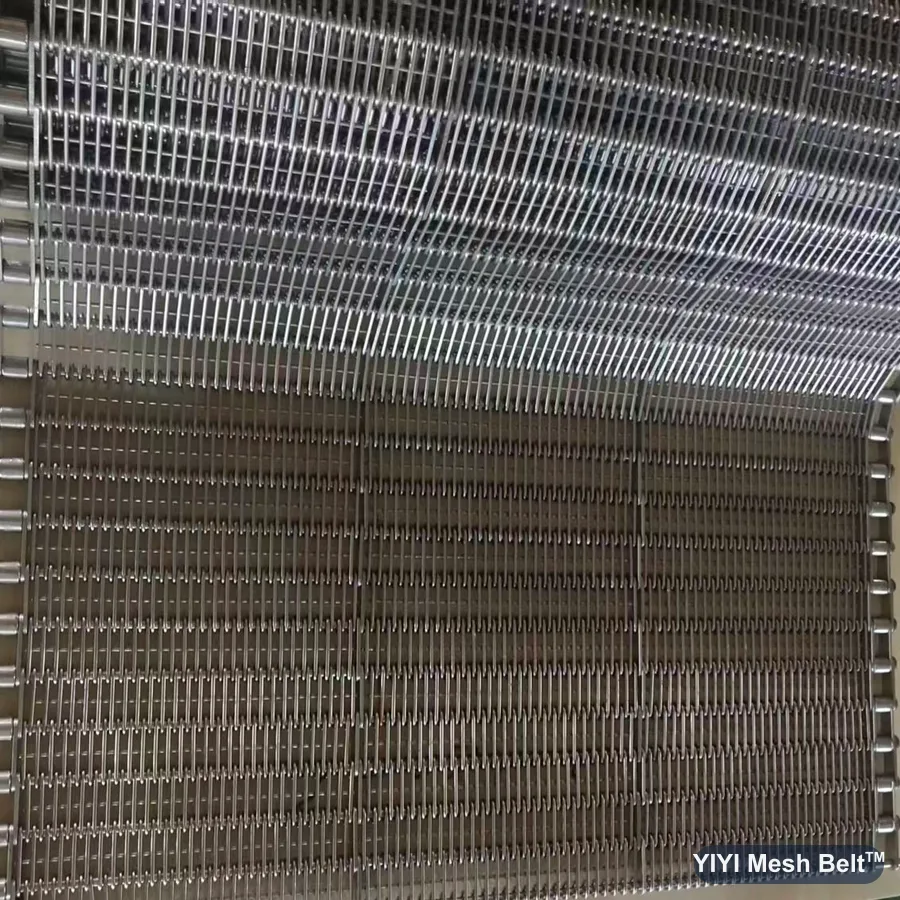
I am Sunny Ye, Global Sales Director at YIYI MESH BELT in Ningjin, Shandong. We have made metal conveyor belts since 1998 and run 280 units of production equipment, including 9 automatic welding robots. We supply freezer, frying and processing equipment makers, some of them for more than ten years.
At a glance
| Product | Spiral freezer, eye link, chain driven and other belts with sprockets |
|---|---|
| Application | Belts built into new equipment, plus spares for the OEM’s customers |
| Key parameters to confirm | Approved drawings per model, revisions, first article, sprockets, spares, packing |
| Buyer type | Equipment manufacturers and their engineering and purchasing teams |
| What to send for a quote | Equipment models, belt drawings, expected volumes and delivery rhythm |
Why does an OEM programme start with drawings?
The drawing is the one thing that does not change when people do.
An OEM programme starts with drawings because each equipment model needs the same belt every time. We draw each belt, the OEM signs it, and that drawing becomes the reference for production and inspection. When the equipment changes, the drawing gets a new revision instead of a verbal instruction.
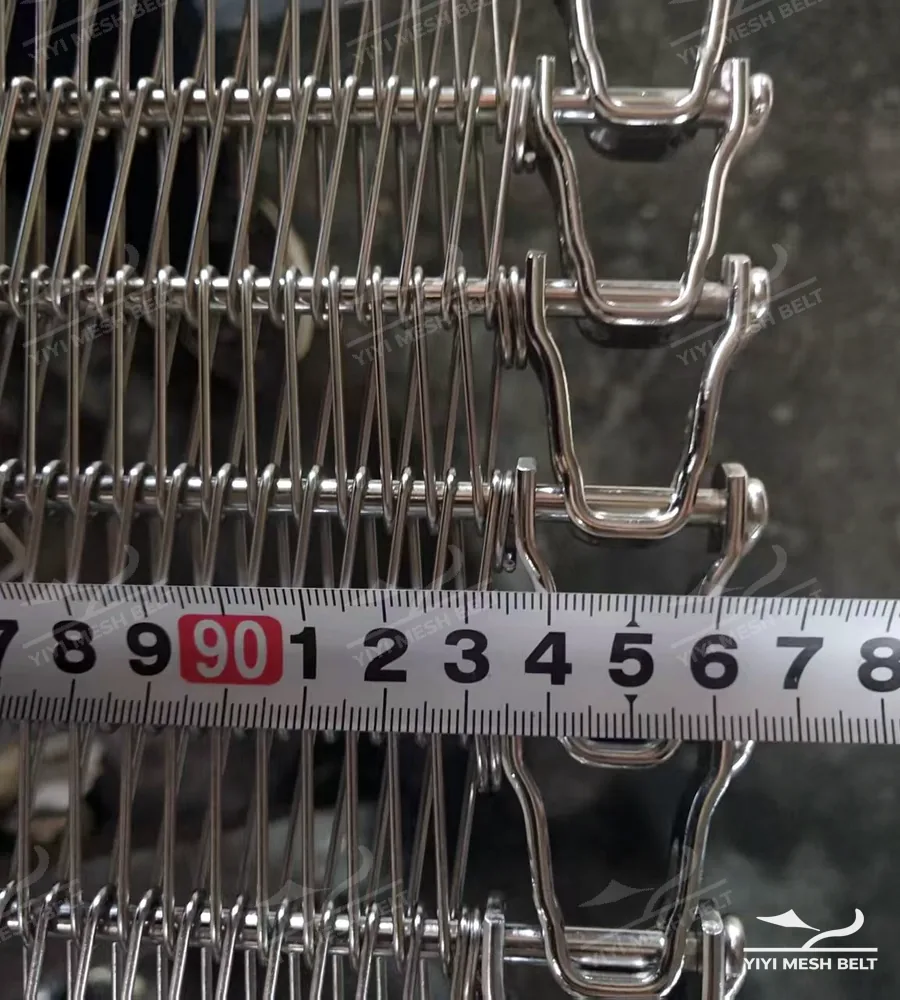
For a freezer builder in South America, the 2025 belt was drawn for a 3,610 mm drum. The 2026 order repeated the construction with a revised spiral pitch, recorded as a change on the drawing.
What happens on the first order?
The first order sets the reference for every order after it.
On the first order, the OEM signs our drawing, we build a trial section or first article, measure it and send the photos for approval, then start production. Where the belt turns in a spiral, it is turned on the customer’s drum diameter before shipment. Those measurements become the reference.
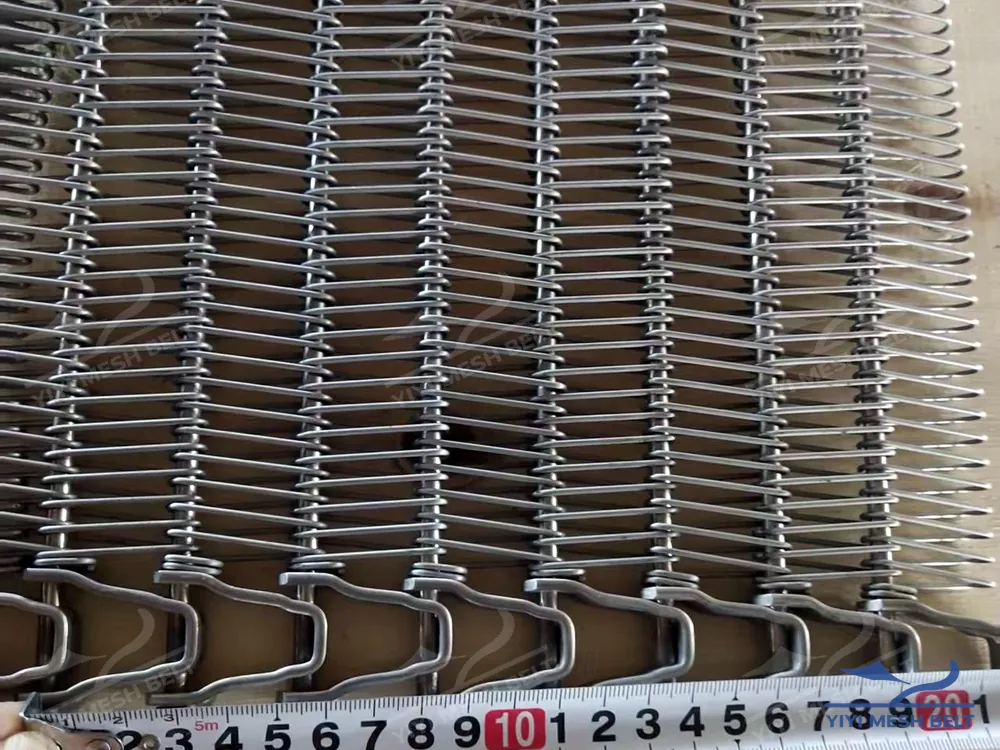
For an OEM in Europe we reviewed their sprocket, side-clip and belt designs together for a 780 mm side driven belt, approved one drawing for the set, measured the first article and ran the sprockets with the belt before shipment.
How are repeat orders kept identical?
Repeat orders follow the drawing, and the drawing is checked every time.
Repeat orders are kept identical by building them to the approved drawing on file, reviewing the production notice in engineering, and checking pitch, rods and edges with calipers on every order. The same final inspection and measured photos are sent each time, so orders can be compared.
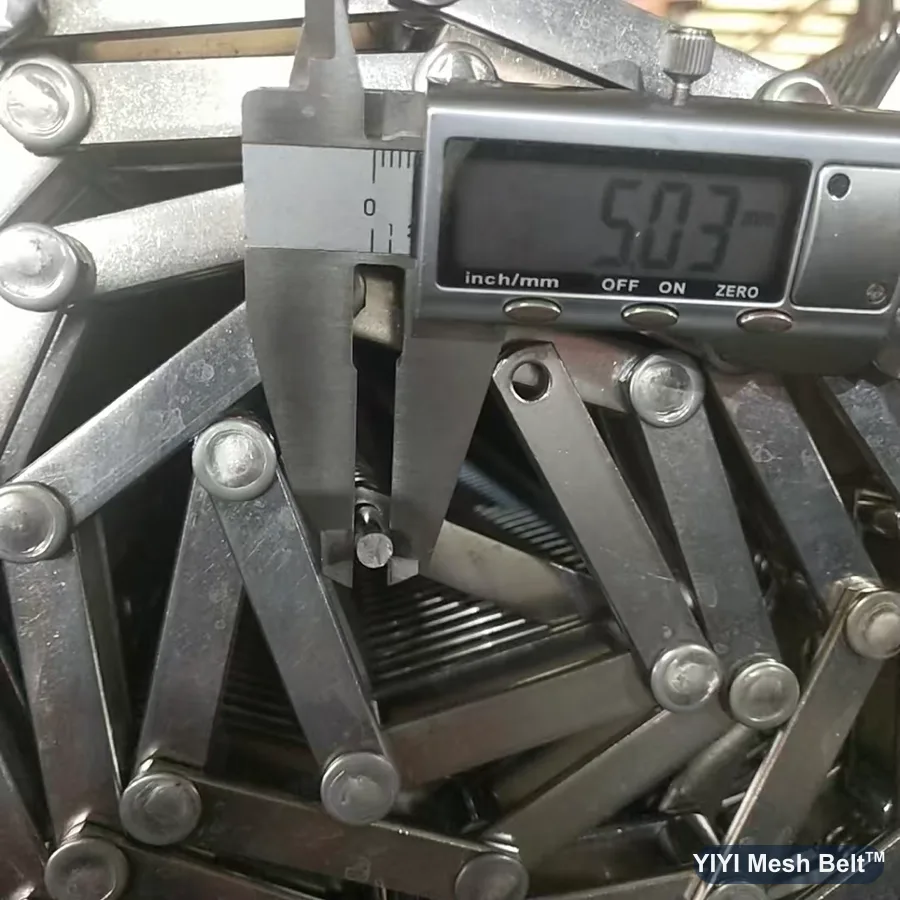
A tunnel-freezer maker in Europe has re-ordered eye link belts and sprockets from us for 13 years. The 2026 order had four widths and 29 sprockets, all built to the approved drawings of the previous order.
How are sprockets and spares handled?
The OEM’s customers will need spares long after the machine is sold.
Sprockets and spares belong in the programme from the start. Sprockets are specified on the belt drawing and checked against it; spare rods, washers, spirals and chain pins are listed with each order. When an end user needs a spare belt years later, the OEM orders it by drawing number.
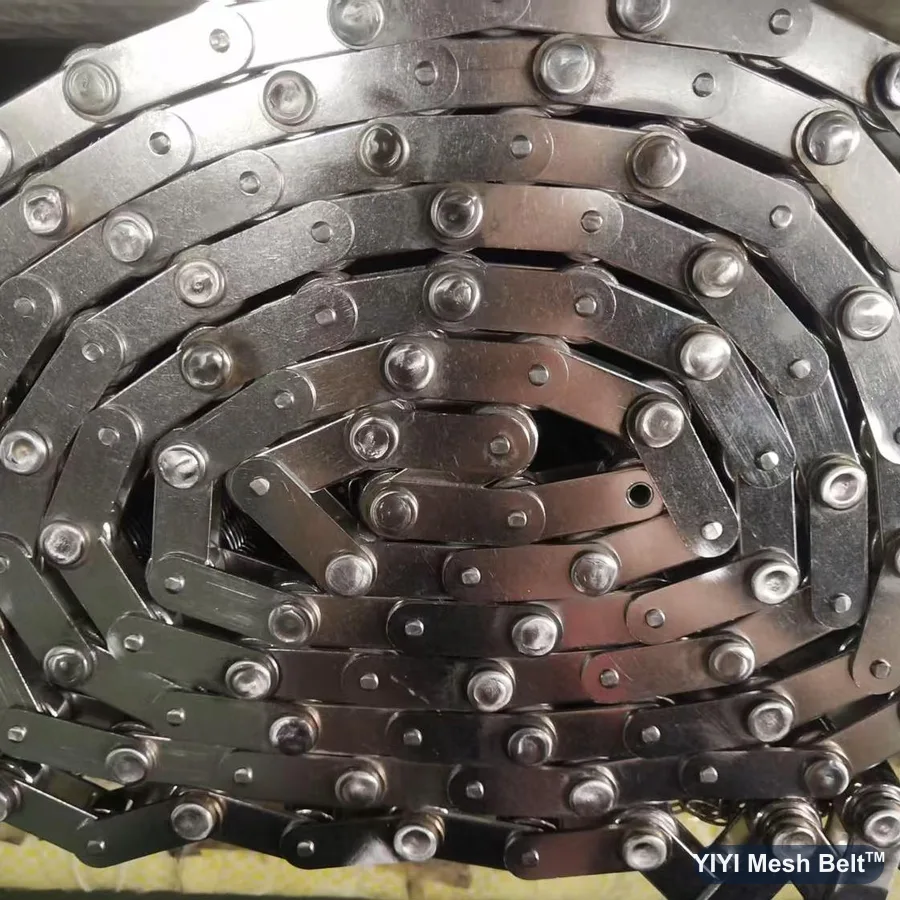
For a frying-equipment maker we supplied three chain driven belts with spare rods, washers, spiral wires and chain pins listed on the drawing and the packing list.
When this is not the right choice
A programme is not needed for a one-off machine. A single approved drawing and a normal order are enough.
A programme is also not a fixed commercial or lead-time agreement by itself; those are confirmed with each quotation.
From our engineering experience
A tunnel-freezer equipment maker in Europe has ordered from us for 13 years. Each repeat order follows the approved drawings, and our engineering reviews the production notice every time.
For OEMs, my advice is simple: give each belt a drawing number, sign it once and order by that number. The belt then follows your equipment, not the people who happen to be handling the order.
Evidence from our work
- Situation
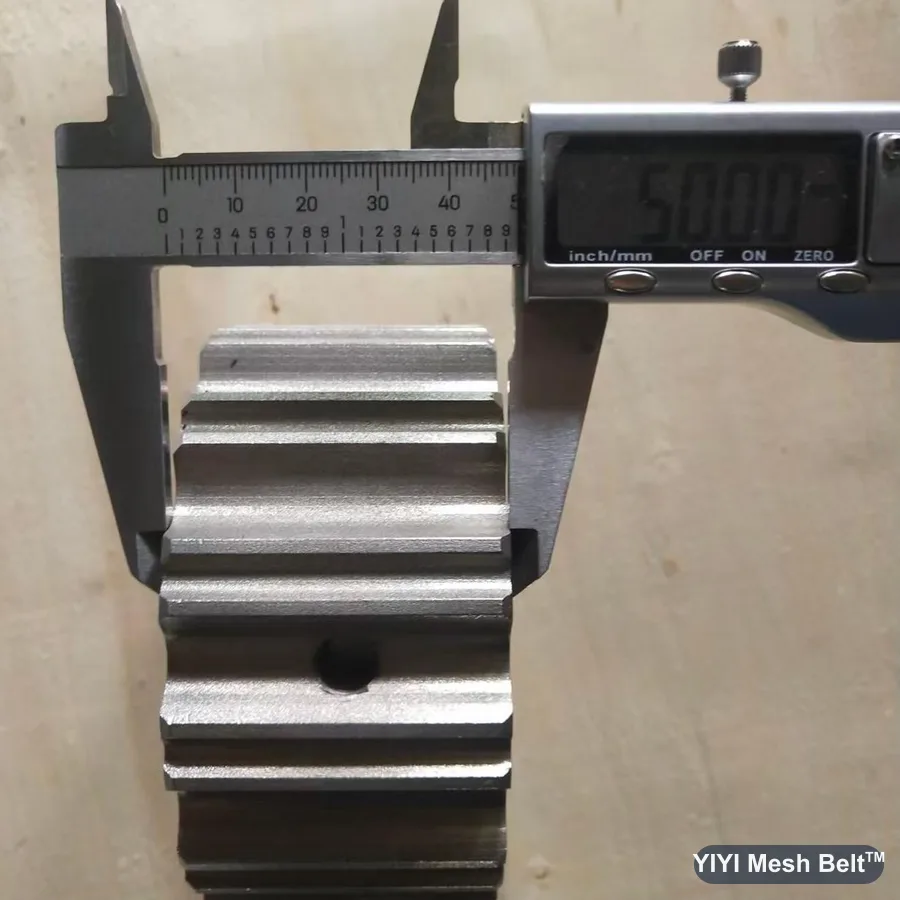
- An OEM building tunnel freezers orders eye link belts and matched sprockets for its machines.
- What we checked
- Repeat orders built to the previous approved drawings: four widths, 25.4 and 50 mm pitch, roller chain edges, reinforcing plates and 29 sprockets in 2026.
- Why it matters
- Approved drawings on both sides keep belts identical across years of orders.
- Result
- Belts and sprockets pickled, cleaned, dried and shipped in export cases, as on earlier orders.
- Buyer lesson
- Order by drawing number, and keep every change as a revision.
FAQ
Can you support several equipment models?
Yes. Each belt gets its own approved drawing, and orders reference the drawing number.
Do you keep drawings on file?
Yes. Approved drawings and order records are kept for repeat orders.
Can you supply sprockets with the belts?
Yes, specified on the same drawing and checked against the belt.
Can you pack for our end customers?
Yes. Neutral packing with your marks is available on request.
Is lead time fixed in a programme?
Lead time is confirmed with each quotation based on the specification, quantity and schedule.
Conclusion
Draw and sign each belt once, approve the first article, order by drawing number and record every change. That is a repeatable OEM supply.
Useful files for your project
I have worked on metal conveyor belt projects for 15 years, from new spiral freezers to belt replacement. I share project notes and replacement checklists on LinkedIn.
Technical reviewer: Sunny Ye, Global Sales Director, YIYI MESH BELT · Last updated: 2026-10-12